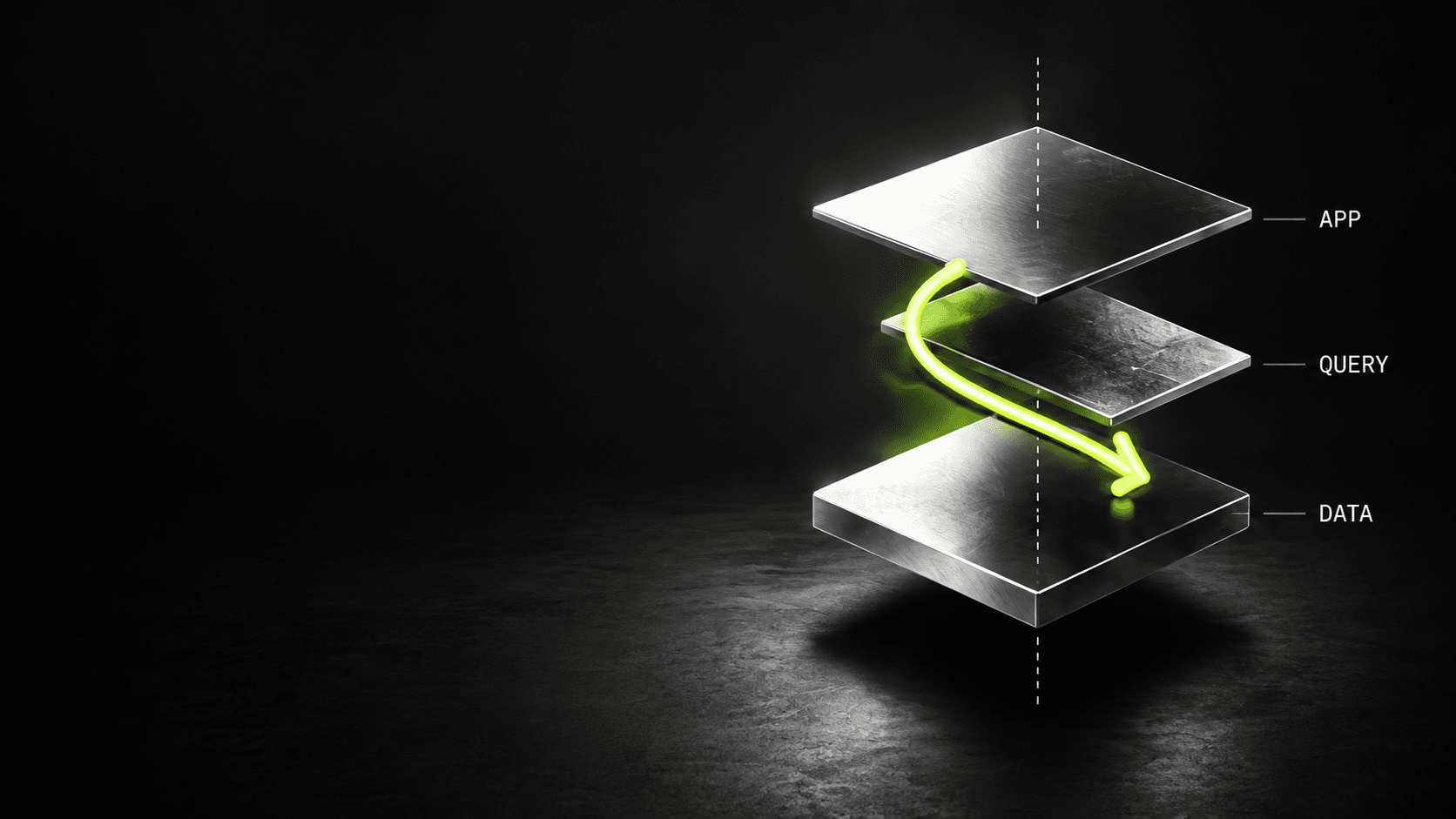
Coding agents need undo. Not "revert this one file": a full snapshot of the working tree before and after every turn, so a bad run can be rolled back cleanly. The obvious options are a shadow workspace (a whole second checkout the agent edits instead of yours) or auto-committing to a side branch. Both work. Both also mean the agent's checkpoints are visible in git branch, or the agent isn't editing your actual files at all.
Reading through T3 Code's internals, I found a third option that avoids both costs.
Borrow git's index, don't touch the user's
The same real files
.git/index
Your staging stays intact
Temporary index
Agent snapshot
GIT_INDEX_FILE → write-tree → commit-tree → custom ref
Git's index (the staging area) is just a file, .git/index by default, and git will happily use a different one if you point GIT_INDEX_FILE at it. The checkpoint mechanism does exactly that:
- Resolve
git rev-parse --git-common-dirand create a randomly-named temp index file there. - Set
GIT_INDEX_FILEto that temp path, plus fixed bot author/committer env vars. git read-tree HEAD(ifHEADexists) to seed the temp index, thengit add -A, against the temp index, so this captures untracked files too, and never stages anything in the user's real one.git write-tree, thengit commit-treeto create a commit object from that tree.git update-ref <checkpoint-ref> <commit-oid>to park the commit under a custom ref namespace, not a branch, never checked out.
The temp index file is deleted in a cleanup block regardless of whether the steps above succeeded. Restore, diff, and delete all operate purely on the ref afterward: git rev-parse --verify <ref>^{commit}, git diff, git update-ref -d. No working-tree checkout required for any of it.
Why this beats the two obvious options
- Shadow workspace
- A second checkout needs synchronization. The agent and user can see different files.
- Automatic branch commits
- Checkpoints appear in ordinary Git history and branch workflows.
A shadow workspace means the agent is never actually touching your files: every edit has to be synced back, and "what the agent is looking at" and "what you're looking at" can drift. Auto-committing to a branch touches real git state a user might stumble into (git branch, git log --all) and complicates anything that assumes commits mean something.
A ref that isn't a branch is the sweet spot: real git objects, real content-addressed storage, zero visibility in the commands people normally run, and the working tree it's checkpointing is the real one. The custom index file is the whole trick: it lets git add -A build a complete tree (tracked and untracked) without ever writing to the index the user's own git status reads from.
Worth remembering the general shape
Whenever a tool needs to snapshot state that overlaps with a system the user already owns, look for the layer inside that system built for exactly this (an alternate index file, a detached ref, a separate namespace) before reaching for a parallel structure bolted on top. Git already has the primitive for "commit that isn't in any branch." Most checkpoint systems don't need to invent one.